England Faces Unique World Cup Challenges: Heat, Travel, and Preparation Key to Success
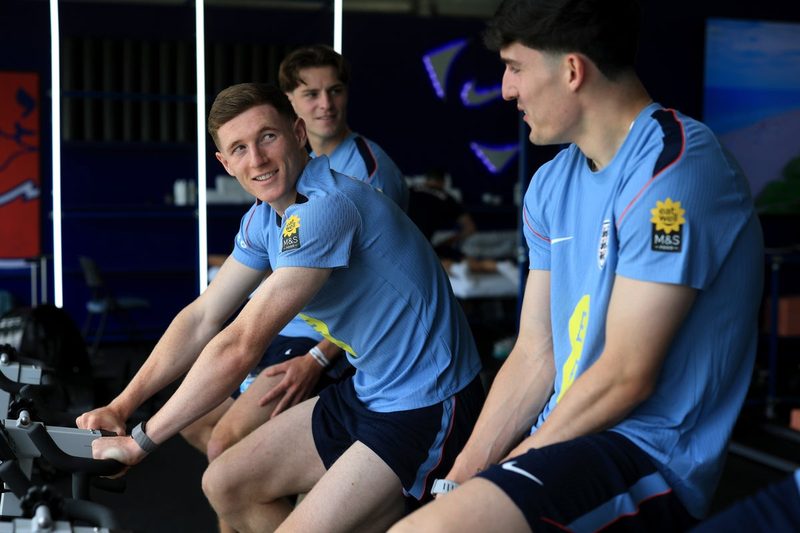
Meticulous preparation and a calm approach emerge as crucial for England as they embark on the most complex World Cup yet, according to Dr. Ben Rosenblatt, the squad’s lead physical performance coach during the last two tournaments. The upcoming tournament poses unprecedented challenges, including extensive travel, significant time-zone disruptions, and the intense heat and humidity of the host nation. England’s campaign kicked off this week with their arrival in the United States, where they are acclimatizing in sweltering Florida ahead of friendlies against New Zealand and Costa Rica, before establishing their base in Kansas City. Reflecting on the unique hurdles of each World Cup, Rosenblatt stated, "I think if you take the perspective it’s going to be really hard, then it is. When I was there, it was always very much, 'These are the problems to solve.'" He noted the contrasting demands of past tournaments: Qatar 2022: Nine days to prepare, challenging from a physical performance perspective, with heat acclimation. Russia 2018: Ample preparation time but involved significant travel, sometimes returning at 6:30 AM. Rosenblatt emphasized that the team that remains calm and prepares effectively, with the right players, stands the best chance of success. This World Cup is expected to be the hottest since the US hosted the event in 1994. He highlighted the importance of managing players’ thermal load and conditioning them for uncomfortable conditions. He explained, "You’d be surprised how quickly a human body adapts," noting individual responses to extreme environments. Effective management requires understanding each player’s needs and ensuring proper care for those who may struggle. England aims to leverage their team plane's controlled environment to mitigate travel effects, which will be more extensive than any tournament since Russia. Establishing a consistent home in Kansas City fosters a sense of team connection, countering the exhaustion of constantly moving between different hotel hubs. Rosenblatt concluded, "The environment and conditions they can set up in their camp feel better than constantly moving."
Source: The Independent Sport - 2026-06-03