The Rise of the Cheesehead: How a Hat Became a Symbol of American Sports Culture
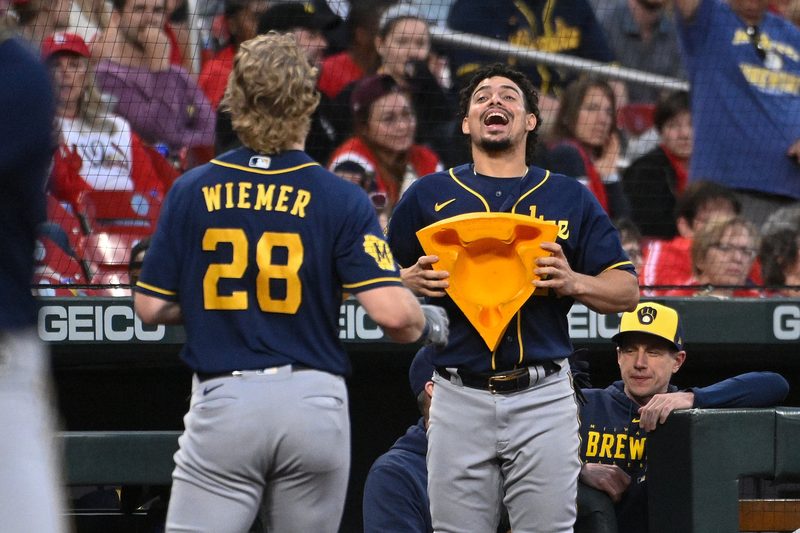
Americans have long balanced their formidable global presence with a distinctive brand of goofiness, showcasing a cheerful self-assurance that turns international bewilderment into endearing smiles. A prime example of this phenomenon is the cheesehead hat. Born in the late 1980s, this headwear, crafted from sofa foam and radiating a sunny yellow defiance, emerged as a response to the taunts faced by sports enthusiasts in Wisconsin, famously known as America’s dairyland. When residents of neighboring Illinois mockingly called them "Cheeseheads!", the insult was embraced and turned on its head, particularly by fans of the Green Bay Packers football team. Soon, Wisconsin sports arenas were awash with supporters sporting these hats, shaped like large, dimpled wedges of cheddar. While the dimples might suggest Swiss, American perceptions of cheese—especially processed varieties—form another unique slice of Americana. This quirky headgear isn't exclusive to one state; the "Wisconsin Cheesehead" now resides in the Smithsonian’s American History Museum. Across the US, particularly in college sports, fans routinely shed inhibition, donning horns or animal ears, and even stripping off shirts to paint their torsos in freezing temperatures. This seasonal display embodies perhaps the most vibrant manifestation of the "Hold my beer" exuberance that has characterized generations of Americans. Ralph Bruno, the cheesehead hat's creator, once candidly stated, "I wasn’t thinking too deeply about it." Today, his creation is trademarked, owned by a professional football team, and sells for $28.99 apiece. Above all, this towering block of fake cheese underscores Americans' enduring capacity for self-deprecating humor.
Source: The Independent Sport - 2026-05-29